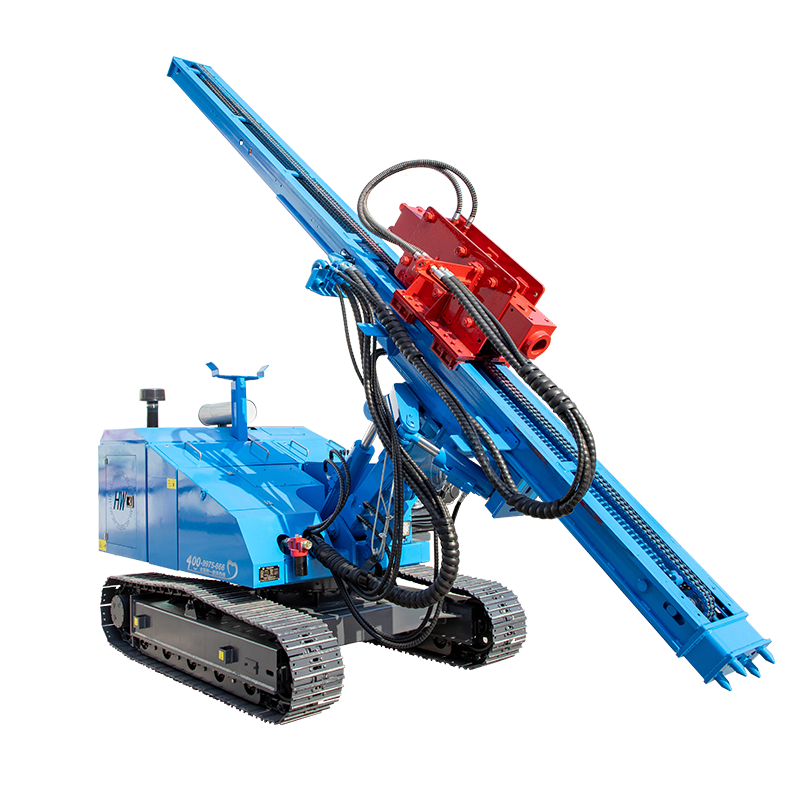
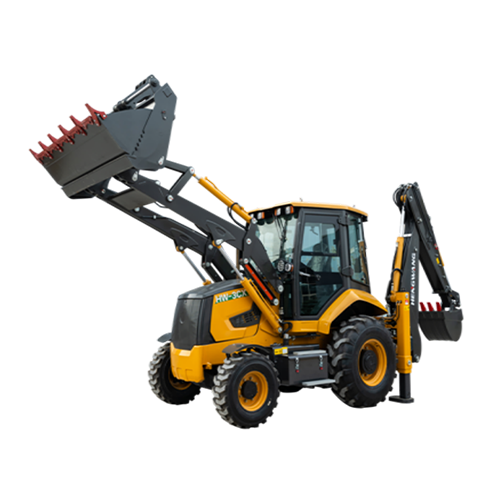
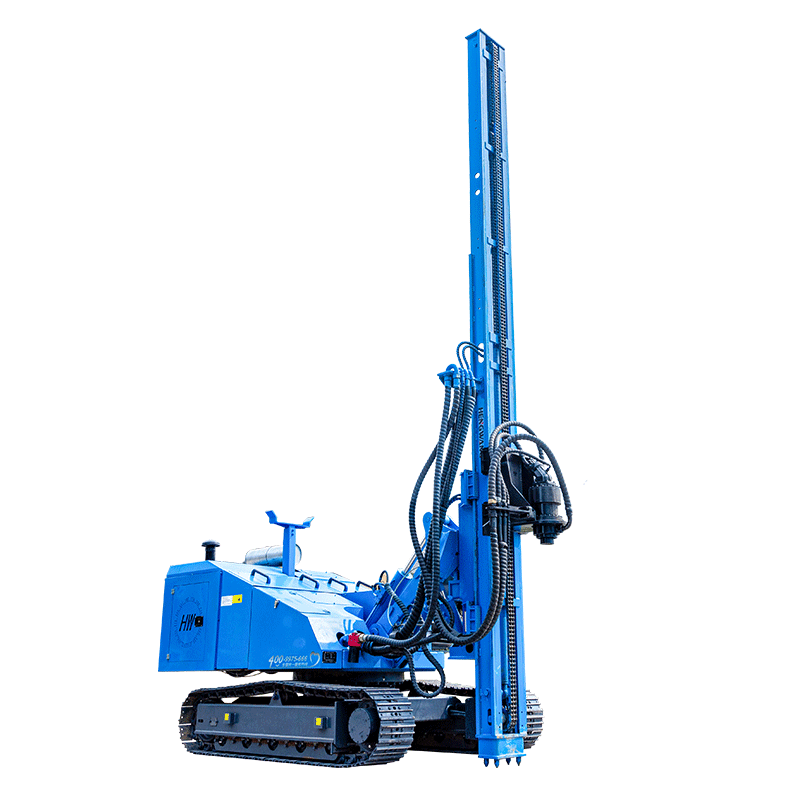
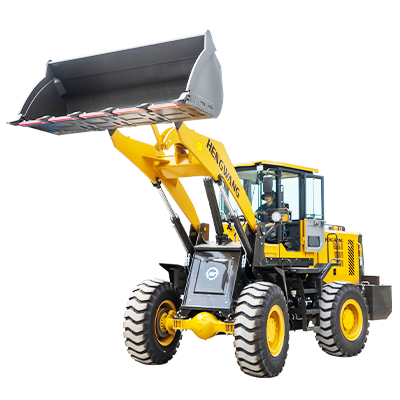
Small loaders have become indispensable in construction projects. How to choose the right model? Here’s a breakdown of key selection criteria from loader manufacturers, covering scenario adaptation, transmission systems, power configurations, and braking performance:
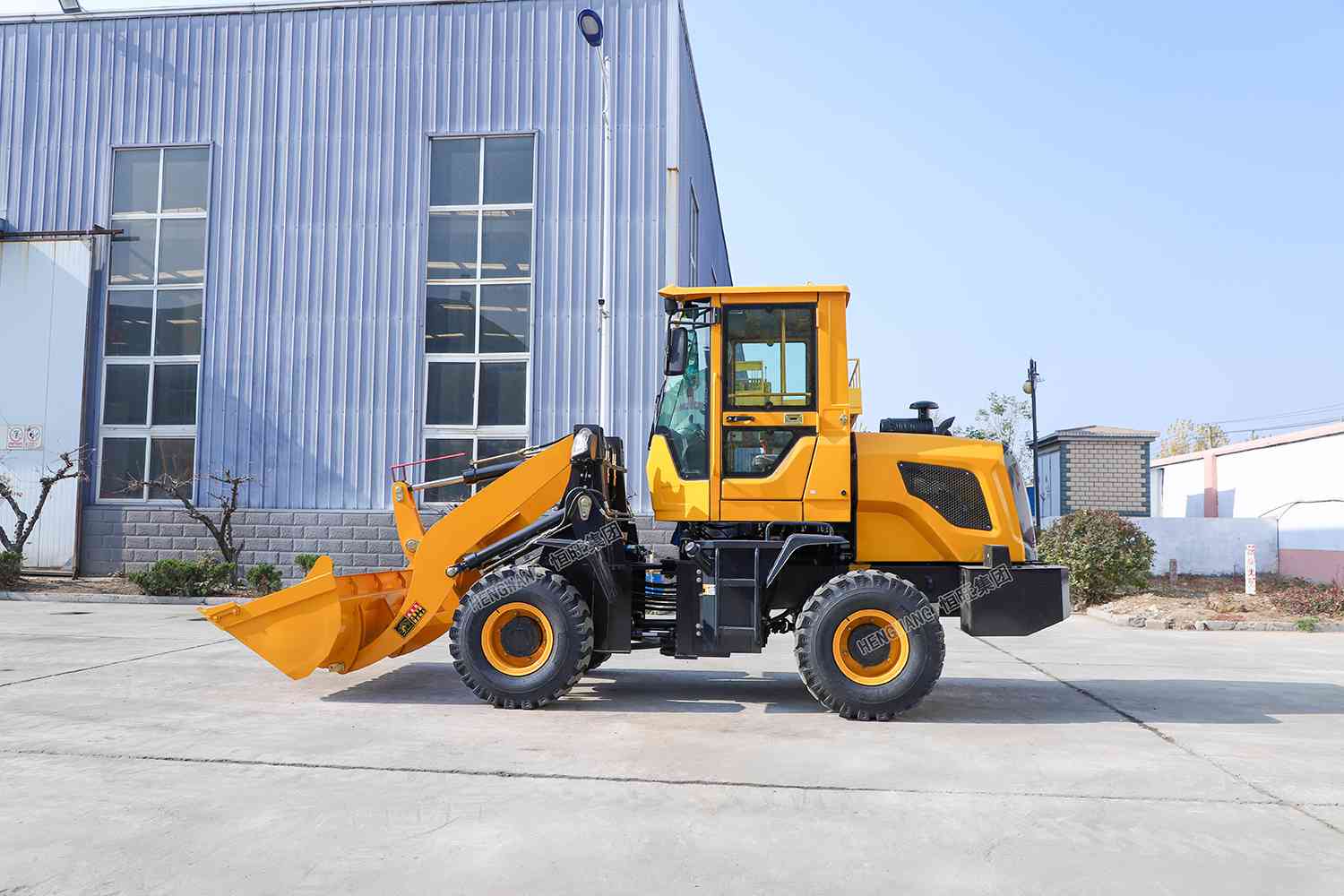
Loader models must align with construction environments:
Quarries & Soft Terrains: Prioritize crawler loaders. Their low ground pressure and strong traction ensure stable operation on muddy or rocky surfaces, minimizing slipping risks common in wheeled loaders.
Urban & Paved Roads: Wheeled loaders excel here, offering agility for short-distance transport while reducing pavement wear.
Transmission type directly impacts a loader's power output and durability:
Industry Standard: Hydro-mechanical transmission is preferred, using a torque converter for flexible power transfer and reduced engine stress. Most domestic loaders feature dual-turbine, single-stage two-phase torque converters, stable under heavy loads and frequent speed changes.
Maintenance Consideration: Check the torque converter’s cooling design. Models with intelligent temperature-controlled fans maintain optimal transmission efficiency during prolonged use.
Loader power selection should match operational regions:
Standard Scenarios: Opt for construction-grade diesel engines, preferably turbocharged for sufficient power in earthmoving and light crushing tasks.
High-Altitude Areas: Above 3000m, use specially designed high-altitude engines. These optimize air intake supercharging and fuel injection to prevent power loss due to oxygen deficiency.
Braking performance is critical for loader operation, requiring focus on three systems:
Service Braking: Prefer disc-type or wet multi-disc brakes over shoe-type ones. They dissipate heat better, reducing fade during continuous downhill operation.
Parking Braking: Ensure a mechanical locking parking brake to prevent rollback on slopes.
Emergency Braking: Premium models may have independent hydraulic emergency braking, enabling safe stops even if primary brake lines fail—verify this feature when purchasing.
When choosing a small loader, follow this principle: "Prioritize scenario needs and key components." First, determine crawler/wheeled based on terrain, then verify transmission and braking parameters, and finally adapt power configuration to the environment. Precise selection enhances loader efficiency, extends service life, and optimizes project costs.